
Mosquito & Backyard Pest Management
Enjoy Your Yard Again
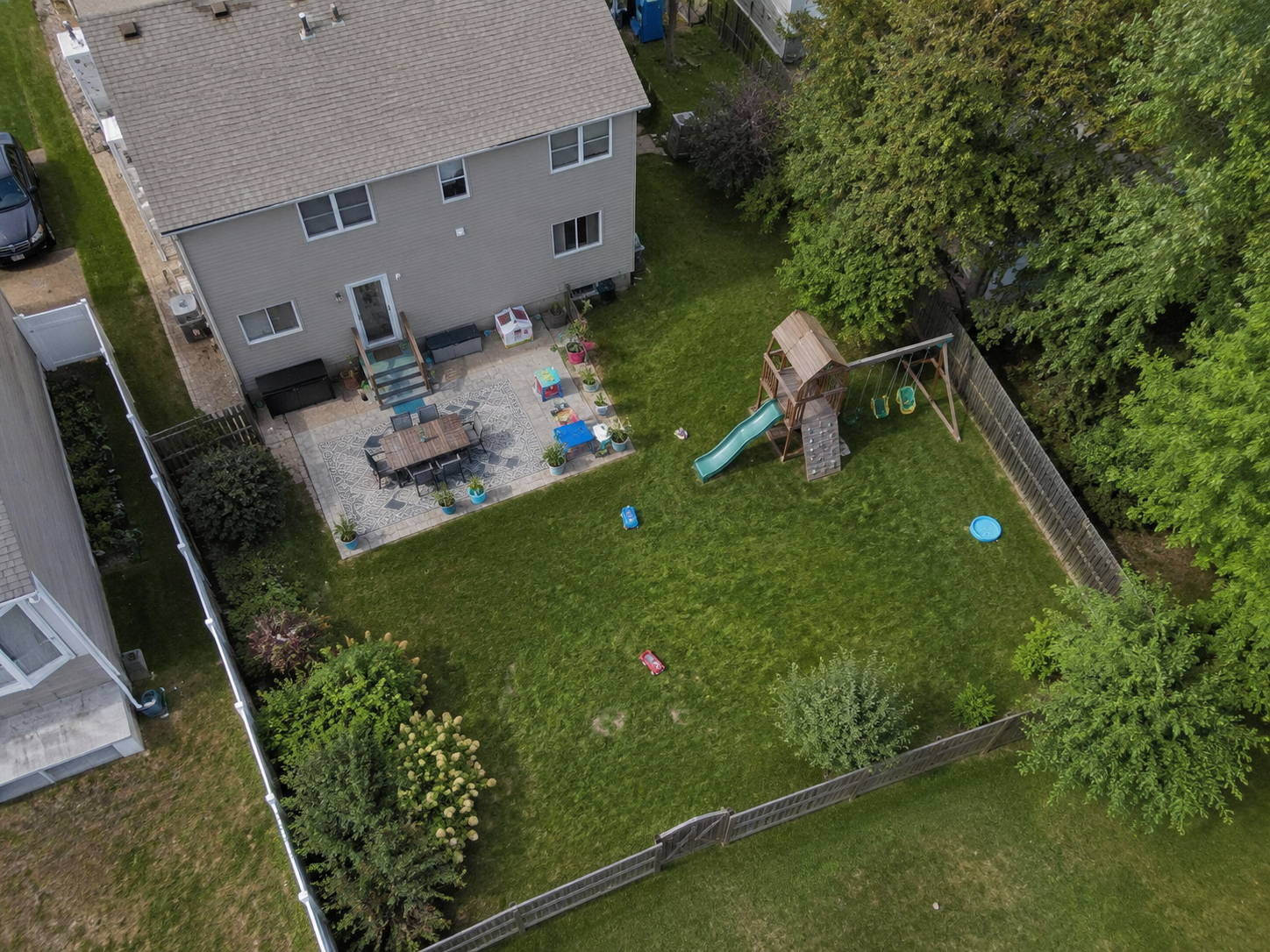
Mosquito Control of Charlotte helps homeowners take back patios, decks, play areas, and yards with targeted outdoor treatments applied by backpack mister. The mist reaches shrubs, fence lines, shaded resting zones, mulch beds, and other places where mosquitoes and nuisance insects hide during the day.
Shrubs, ground cover, fence lines, deck edges, patio borders, under-playset shade, mulch beds, foundation edges, and other high-activity pest zones.
Move pet bowls, small toys, cushions, and loose items when possible. Make sure gates are unlocked and pets are kept inside during application.
Give treated areas time to dry before using the yard again. Once dry, normal outdoor use can typically resume according to service guidance.
Seasonal plans work best for ongoing comfort. Event sprays are available for cookouts, birthdays, graduations, and weekend gatherings.




TargetedBackyardPestControl
Call Or Text Anthony(980) 230-3140
About MCC
Local Pest Control, Clear Service
Mosquito Control of Charlotte provides practical outdoor pest control for homeowners who want dependable service, simple scheduling, and straight answers. The service focuses on the parts of the property people actually use: patios, porches, decks, playgrounds, fence lines, walkways, and shaded backyard edges.
Instead of only spraying open lawn space, treatments are aimed at resting and hiding zones where mosquitoes and other pests are most likely to gather. That makes the visit more intentional and keeps the service focused on comfort, safety, and usable outdoor space.
21Day treatment cycle
7+Outdoor pest targets
LocalCharlotte-focused service
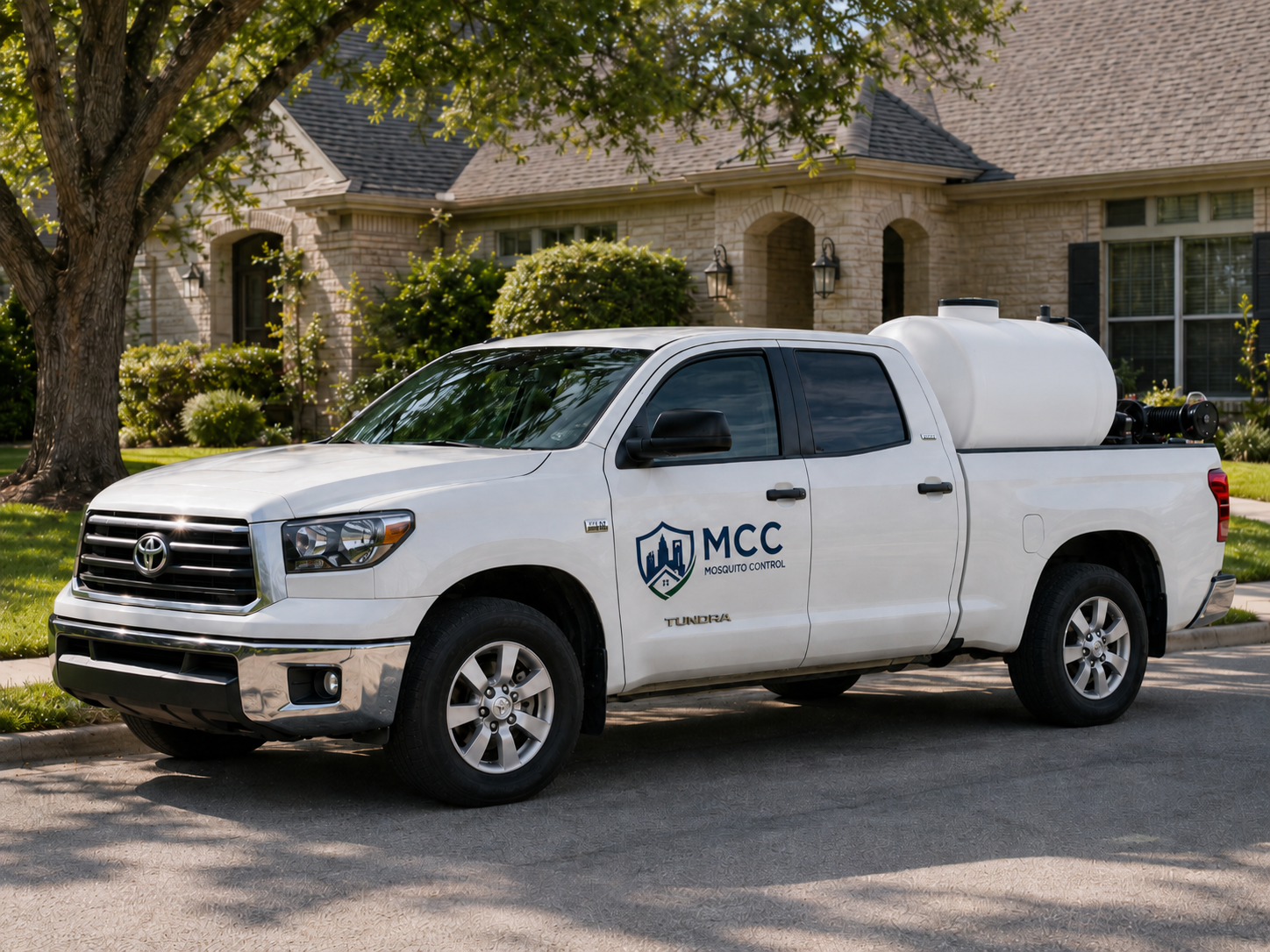
Targeted service.Backyard zones treated with a backpack mister.
Our Services
Backyard Pest Management
Targeted outdoor pest control for insects that gather around yards, patios, decks, play areas, and exterior structures. Each service focuses on where pests rest, travel, nest, or build up around the home.

Mosquitoes
Backpack mist treatment for shaded resting areas, shrubs, fence lines, under decks, and damp vegetation where mosquitoes wait between feedings.
Learn More
Ticks
Focused treatment near tall grass, wooded edges, shaded borders, and pet paths where ticks wait for people, pets, or wildlife to pass.
Learn More
Fleas
Outdoor treatment around shaded soil, pet rest areas, lawn edges, and protected spaces where flea activity can build up.
Learn More
Ants
Treatment for exterior trails, patio cracks, foundation edges, mulch beds, and entry-point areas where ants move and gather.
Learn More
Spiders
Targets porch corners, rails, exterior lights, garages, and web-building zones while also reducing other insects that attract spiders.
Learn More
Wasps
Inspection and treatment around eaves, deck rails, sheds, play areas, fence lines, and covered outdoor structure edges.
Learn More
Carpenter Bees
Focused attention around exposed wood, deck rails, porch trim, eaves, fences, and areas where round boring holes appear.
Learn More
Why It Matters
Defend Your Yard
Outdoor pests are more than a nuisance. They can create bites, allergic reactions, disease concerns, web buildup, nesting issues, and damage to exposed wood. The goal is to reduce pressure around the spaces your family actually uses, then keep that pressure down with consistent service.
Charlotte Pest Conditions
Why Targeted Treatment Works
Charlotte's warm season, humidity, tree cover, clay soil, shaded lots, summer storms, irrigation, and dense landscaping can all create pockets where outdoor pests build up. This section explains why service focuses on edges, shade, moisture, and structure lines instead of only open grass.
Service Pricing
Seasonal Mosquito Treatment Packages
Package pricing from the previous Mosquito Control of Charlotte site, organized by approximate yard size.
For larger residential yards and extended outdoor treatment areas.
For bigger lots with multiple outdoor zones around the home.
For mid-size properties, patios, decks, and backyard areas.
For smaller residential properties and focused yard coverage.
Final service fit can be confirmed by phone based on yard size, access, and treatment needs.
Mosquito Control
Pest Guide
Mosquitoes
Mosquitoes are the main backyard pest most Charlotte homeowners notice during warm, humid months. They breed in water, hide in shaded vegetation during the day, and become more noticeable around patios, decks, play areas, fence lines, and sitting areas when conditions are right.
Why Water Turns Into Yard Pressure
Adult mosquitoes are only the part you see. The cycle starts in water, which is why small containers and damp low spots around a property can matter more than people expect.
How Mosquitoes Act Around Charlotte Yards
In the South, mosquito activity is tied closely to heat, moisture, shade, rainfall, and plant growth. A yard can look clean and still have the exact conditions mosquitoes like.
Pressure usually rises as warm weather, humidity, rain, and vegetation return. Activity can build through summer and continue into fall while warm evenings and moisture remain.
Many mosquitoes are most noticeable around morning and evening, but some species will bite during the day, especially in shade around decks, shrubs, patios, and play areas.
Rain can fill containers, corrugated pipes, clogged gutters, low spots, toys, tarps, and plant saucers. After storms, new breeding pockets can restart pressure quickly.
Mosquitoes do not stop at the fence. Creeks, wooded edges, drainage ditches, storm drains, overgrown lots, and nearby containers can keep sending adults into a treated yard.
Where They Build Up
Clogged gutters and downspout extensions
Plant saucers, buckets, lids, toys, tarps, and wheelbarrows
Corrugated drain pipes and low spots near patios
Dense shrubs, ivy, monkey grass, and ground cover
Fence lines, privacy corners, shaded gates, and wood lines
Under decks, crawlspace edges, sheds, and shaded playsets
Bird baths, fountains, rain barrels, and slow-moving water features
Leaf piles, damp mulch beds, and heavy vegetation near sitting areas
How Service Reduces Mosquito Activity
The treatment is designed around where mosquitoes actually rest, not just where people see them flying. Backpack misting helps reach the shaded, protected areas that open lawn spraying would miss.
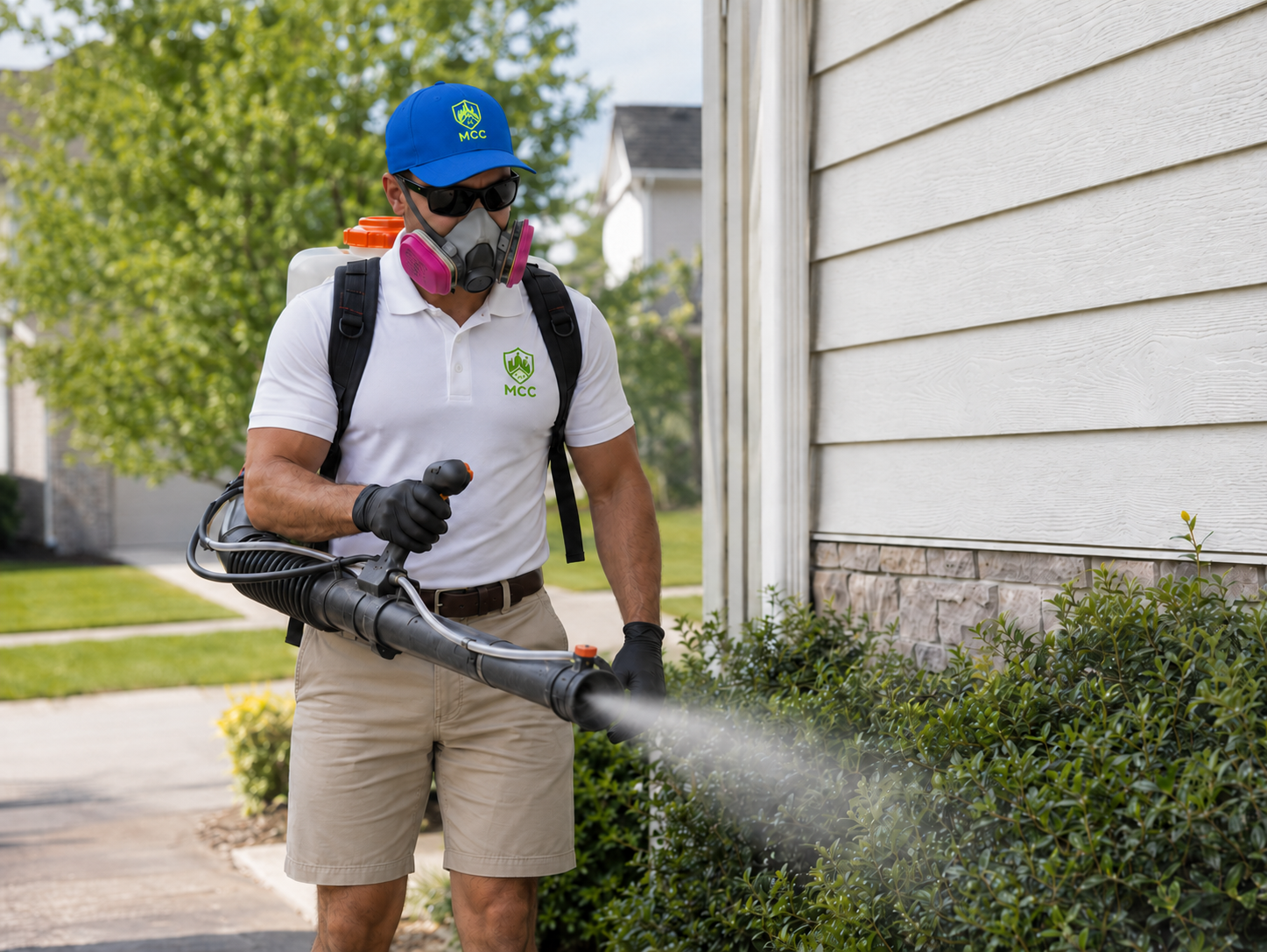
A backpack mister pushes a fine treatment mist into shrubs, leaves, fence lines, ground cover, and shaded edges where adult mosquitoes rest between feedings.
Standing water can keep producing new adults. Dumping water weekly from containers, toys, saucers, and low-lying items is one of the best habits to pair with professional service.
Warm temperatures, sunlight, rain, mowing, irrigation, and fresh plant growth all affect outdoor coverage. Recurring service helps stay ahead of new activity.
Service focuses on the spaces families use most: patios, decks, porches, playsets, seating areas, paths, fence lines, and shaded gathering spots.
Pest Guide
Ticks
Ticks are small pests that wait in grass, wooded edges, shaded borders, brush, and areas where pets or wildlife move through the yard.
Tick Reduction
Pest Guide
Fleas
Fleas can build up in shaded soil, pet resting areas, lawn edges, and outdoor spaces where animals frequently travel.
Flea Control
Pest Guide
Ants
Ants often move along patios, walkways, cracks, foundations, and exterior trails while searching for food, moisture, and nesting areas.
Ant Control
Pest Guide
Spiders
Spiders often gather where other insects are active, including porch corners, decks, exterior lights, garages, and shaded structures.
Spider Control
Pest Guide
Wasps
Wasps can show up around eaves, porch rails, sheds, deck areas, play areas, and other outdoor gathering spaces.
Wasp Control
Pest Guide
Carpenter Bees
Carpenter bees are wood-boring bees that often target decks, porch trim, railings, fences, eaves, and other exposed wood surfaces.
Carpenter Bee Control
Treatment Method
How We Treat The Yard
Our mosquito service uses a backpack mister to apply a controlled outdoor treatment to the areas where mosquitoes and other nuisance insects rest, travel, and build up. The goal is not to soak the entire yard. The goal is to place treatment where it matters.
Fine mist coverage for tight backyard zones
A backpack mister helps reach shrubs, low vegetation, fence lines, deck edges, understructure shade, and other spots that are hard to treat evenly with a basic hand sprayer.
Unlock gates, keep pets inside, move pet bowls and toys, and point out special areas like playgrounds, gardens, decks, or spots with heavy activity.
The technician works around the property perimeter, vegetation, structures, shaded zones, and high-use outdoor spaces while avoiding unnecessary application.
Let treated areas dry before normal yard use. Weather, irrigation, fast plant growth, and yard conditions can affect how long coverage lasts.
How It Works
Simple, Clean, Recurring Protection
The best results come from treating the right places and staying on schedule. The process is built around targeted application, clear prep instructions, safe drying time, and recurring protection during mosquito season.
1
Review The Property
We identify likely pest zones: shaded vegetation, standing-water-prone areas, shrubs, fence lines, decks, patios, exterior corners, pet paths, and gathering spaces.
2
Treat Targeted Zones
A backpack mister applies a fine, controlled outdoor mist around vegetation, structure edges, shaded zones, and pest travel areas instead of wasting product across open lawn.
3
Allow Drying Time
People and pets should remain away from treated areas while the application dries. Once dry, outdoor spaces can typically be used again according to service guidance.
4
Repeat Every 21 Days
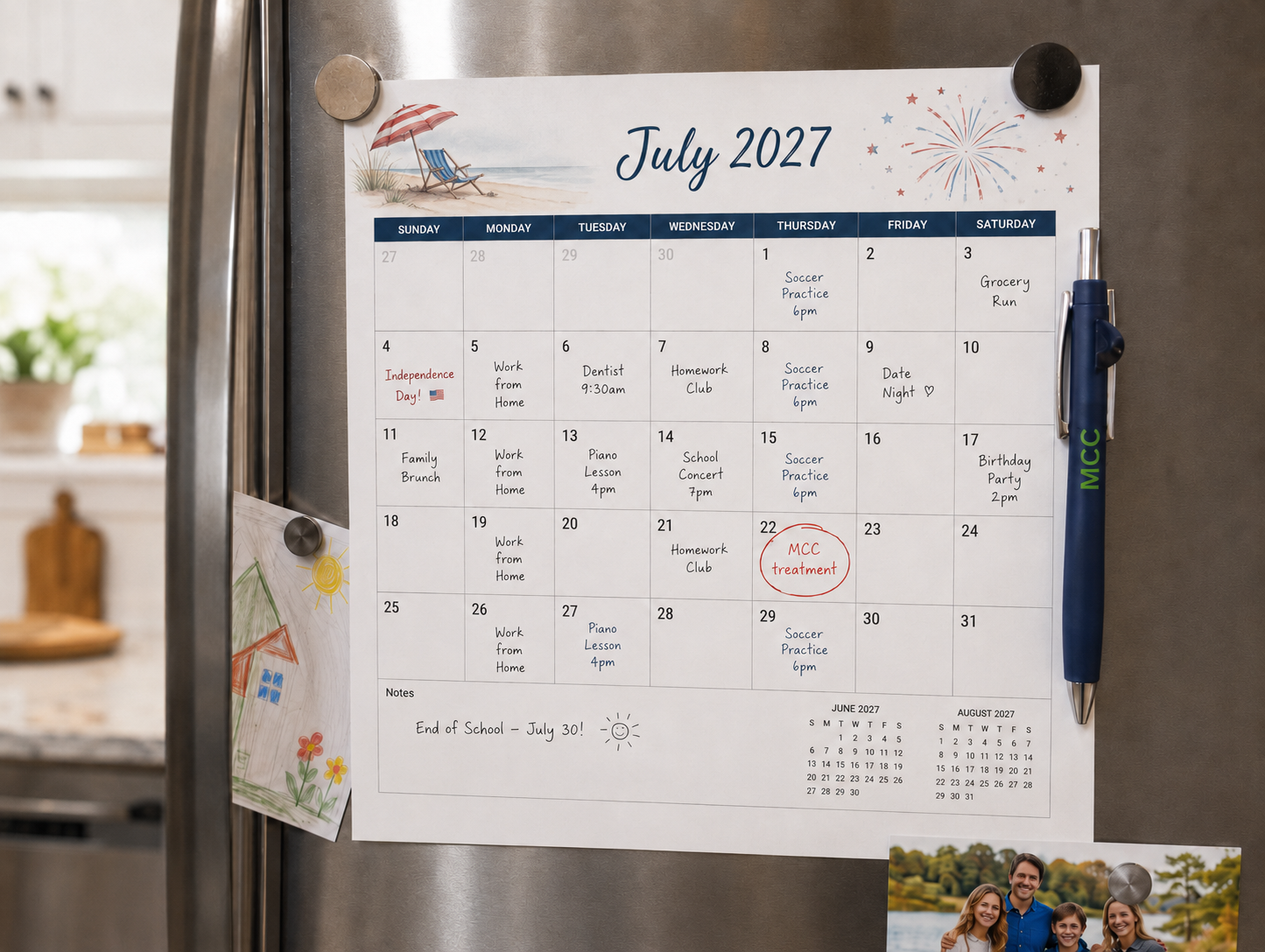
Reapplication about every 21 days helps maintain protection through heat, rain, sunlight, irrigation, and new plant growth during mosquito season.

Coverage Areas
Serving Charlotte And Nearby Communities
We provide mosquito and backyard pest management throughout Charlotte and nearby areas. If you are close to Charlotte, call or text and we can confirm availability.
Ballantyne, Weddington, Marvin, Matthews, Fort Mill, SouthPark, Lake Wylie, Pineville, Indian Land, and Quail Corners.
Dilworth, Montford, Starmount, Barclay Downs, Myers Park, Cotswold, Plaza Midwood, and NoDa.
Charlotte FocusedLocal routes, simple scheduling, better pricing.
What People Say
Customer Testimonials
FAQS
Mosquito Control FAQs
Common questions about treatment safety, rain, service access, watering, product options, and recurring backyard pest control.
Treated areas need time to dry before normal yard use. As a general service guideline, wait about 30 minutes after spraying before using the treated yard area again. Pet water bowls, toys, and similar items should be moved before service.
Service is generally scheduled around rainy weather whenever possible. If rain interferes with the treatment, contact us and we can discuss a courtesy follow-up spray.
You do not need to be home for service as long as the treatment areas are accessible. If you have a locked fence, please make sure it is unlocked or accessible on the service day. Pets should stay inside during application and can return outside once the treatment has dried.
Once the treatment has dried, you can resume normal outdoor activities, including watering the yard and flowers.
Ask about available product options when scheduling service. We can explain what is being applied, where it is applied, why those zones are selected, and what drying guidance should be followed before using treated outdoor spaces again.
A backpack mister helps place a fine treatment mist into shrubs, shaded vegetation, fence lines, deck edges, and other areas where mosquitoes and outdoor pests rest. It provides better coverage in tight backyard zones than simply spraying open grass.
The service is targeted. Open lawn is not usually where mosquitoes rest during the heat of the day. Treatment focuses on vegetation, shade, borders, structure edges, mulch, and other areas where pests are more likely to hide or travel.
Outdoor mosquito treatments are commonly planned around a 21-day cycle. Sunlight, rain, yard growth, and outdoor conditions naturally break treatment down over time, so recurring service helps maintain coverage.
Yes. One-time event sprays can be helpful before birthdays, barbecues, cookouts, and outdoor gatherings where you want temporary mosquito relief for about three weeks.
Service focuses on common outdoor pests such as mosquitoes, ticks, fleas, ants, spiders, wasps, carpenter bees, and related nuisance insects around yard and structure areas.
Call or text (980) 230-3140 with your neighborhood, yard size, main pest concern, and preferred time for follow-up.
Contact MCC
Contact Anthony For A Free Backyard Pest Control Quote
For the fastest scheduling, call or text directly. Send your neighborhood, yard size, main pest issue, and the best time to follow up.
Call Or Text
Anthony
(980) 230-3140